Reckoning [Git gel with cedar]
12 February—22 May 2026
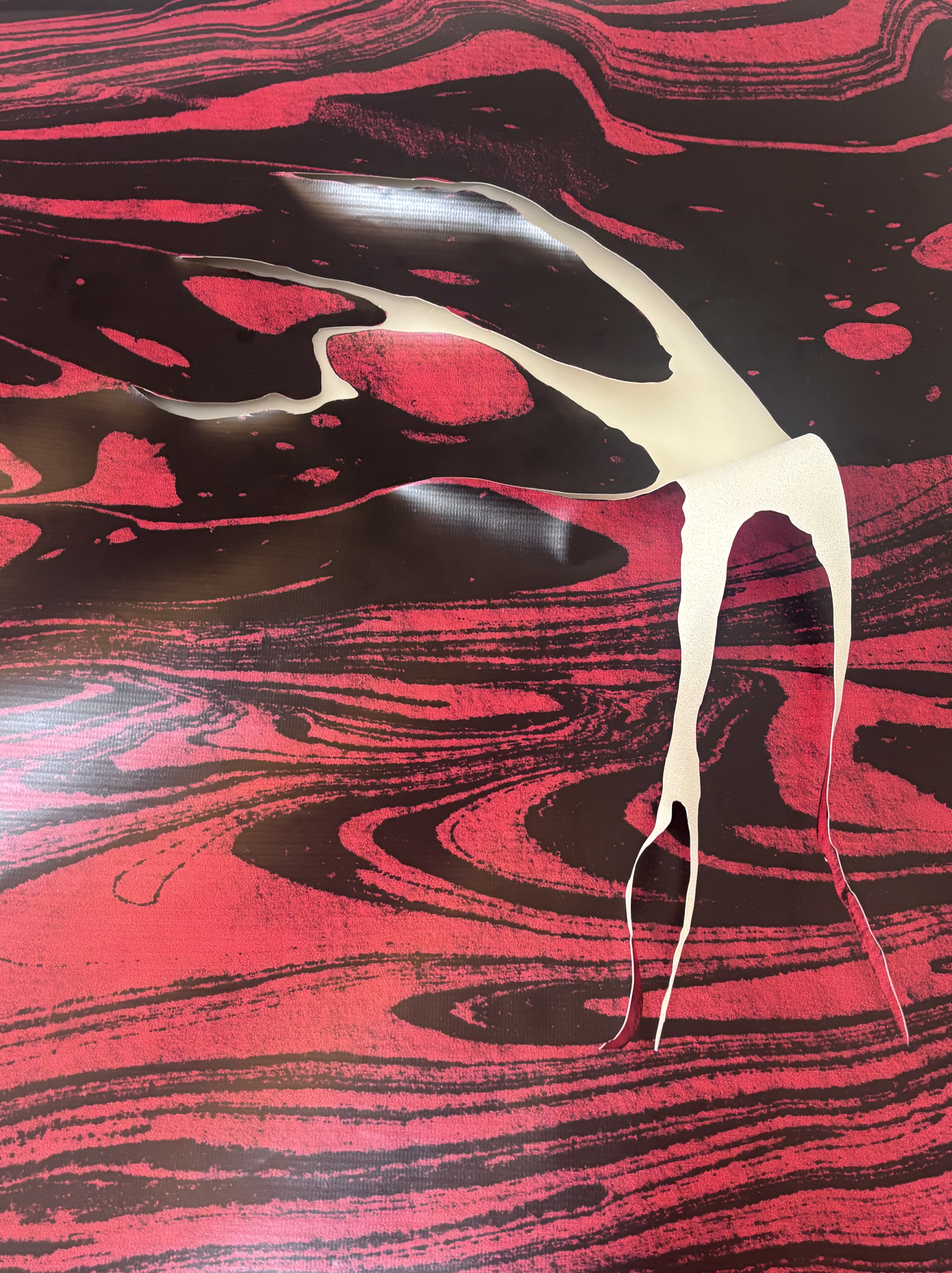
Mercer Union invites artist Alize Zortlutuna to develop a yearlong series of works titled Surface Tension for the SPACE Billboard Commission in 2025-26. Working across video, performance, text, and sculpture, Zorlutuna’s practice uses gesture, repetition, and ritual to consider the relationships between bodies and ecologies. Often beginning with the forms and narratives that we carry with us, the artist’s work attunes to queer sensibilities for enlivening embodied and ancestral knowledges.
Their recent projects emerge from a longstanding interest in the traditional hydrographic printing technique of Ebru, and include works on textile and paper that resist mastery of conventional patterns in favour of emergent forms. At Mercer Union, the artist performs a sculptural study of the distinct marbled patterns of Ebru by using large-format digital reproduction and physical interventions. The series’ title alludes to the delicate and fundamental act of negotiation between water and suspended natural pigments that is central to the practice of Ebru. The artist explores this notion as a conceptual framework for reading a visual field and introduces a responsive sculptural language of cuts and folds that trace and transform the image.
For Zorlutuna, Ebru speaks to the moment when land and water, hand and breath, touch in a process of co-becoming. In each of the three sculptural banners, careful incisions splay the image, breaking its membrane to release the movements humming within. As changing light, brushing wind, and beading water act upon the works’ surface, a kinetic dialogue begins with the natural elements that were momentarily stilled in each composition.
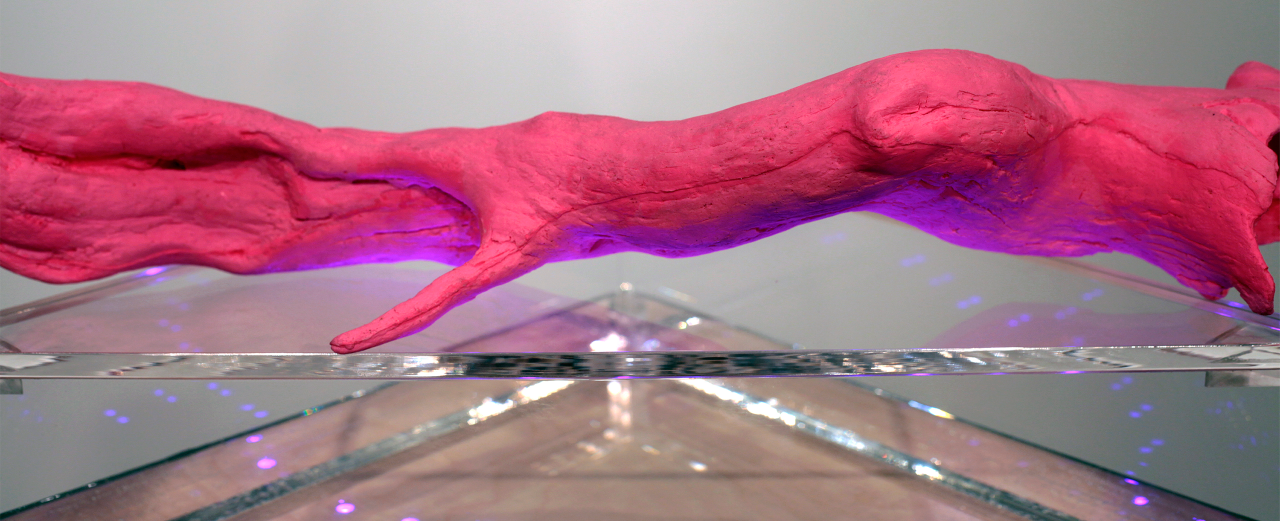
The title of the second edition refers to the Ebru technique git gel, which translates literally as “go” and “come.” It describes the gesture of dragging pigments across the water’s surface in waves, back and forth. Practicing git gel requires a steady hand, even breath, and a reliable implement—here, a branch of cedar, for the distinct connection this tree offers between Turtle Island and the Levant. An embodied mediation, this edition invites a reckoning with our own broader movements, across waters and rising tides.
Surface Tension: Cloudstone [Battal]
17 October 2025—17 January 2026
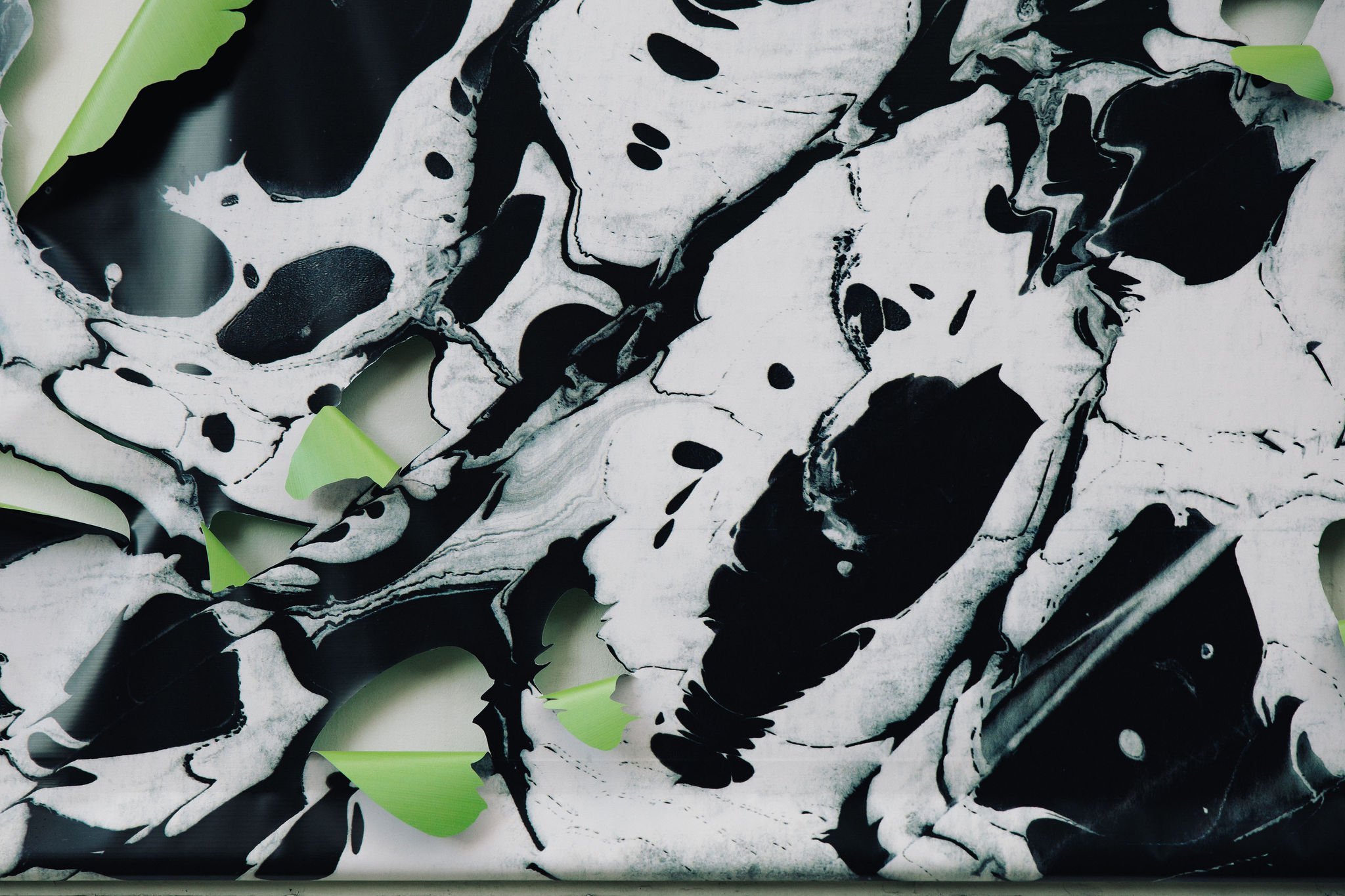
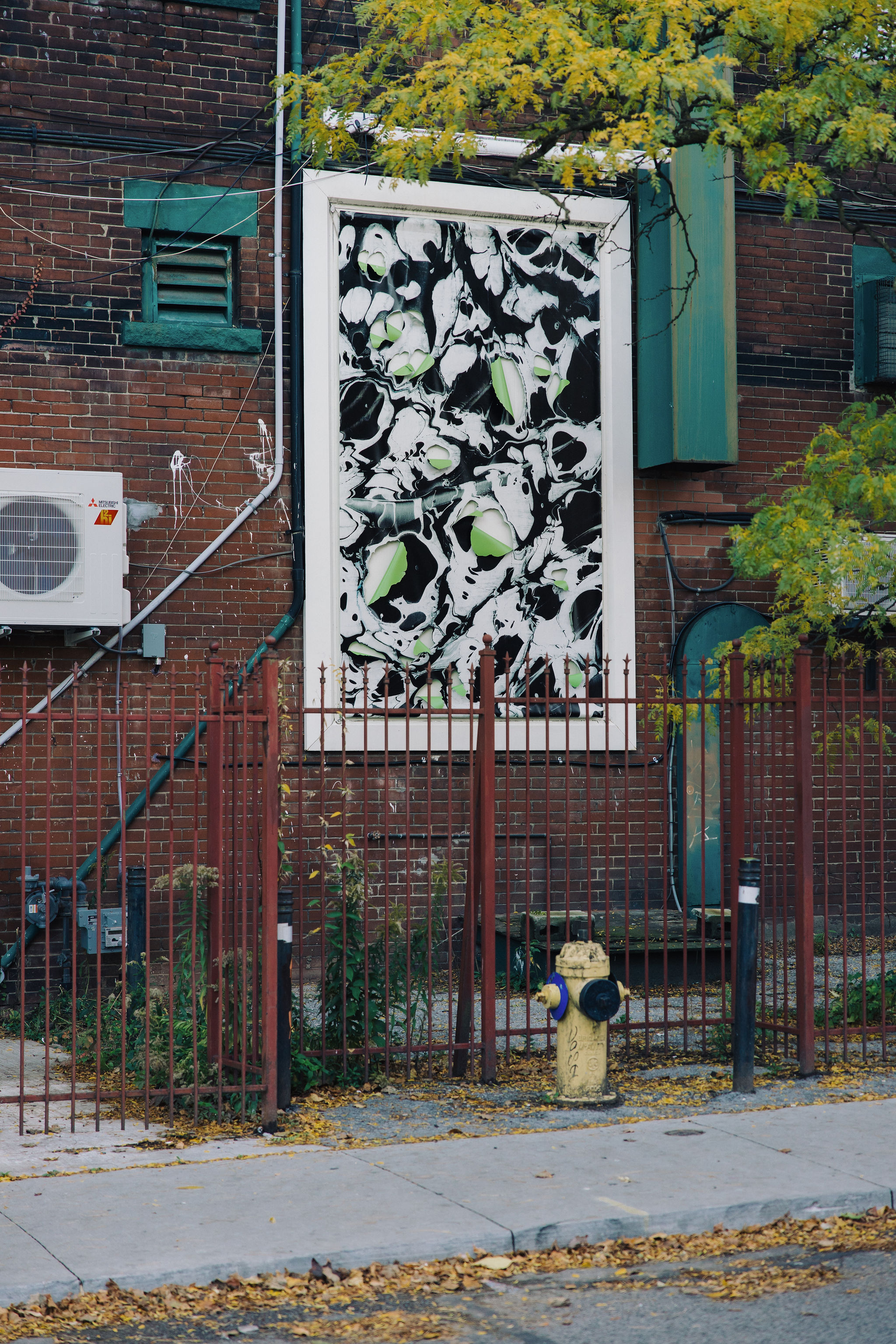
Mercer Union invites artist Alize Zortlutuna to develop a yearlong series of works titled Surface Tension for the SPACE Billboard Commission in 2025-26. Working across video, performance, text, and sculpture, Zorlutuna’s practice uses gesture, repetition, and ritual to consider the relationships between bodies and ecologies. Often beginning with the forms and narratives that we carry with us, the artist’s work attunes to queer sensibilities for enlivening embodied and ancestral knowledges.
Surface Tension: Cloudstone [Battal] is the first edition in the yearlong series; accompanying the work is a text by Chiedza Pasipanodya
Visit https://www.mercerunion.org/exhibitions to read further about the year-long commission
The Places We Carry, Nuit Blanche 2025
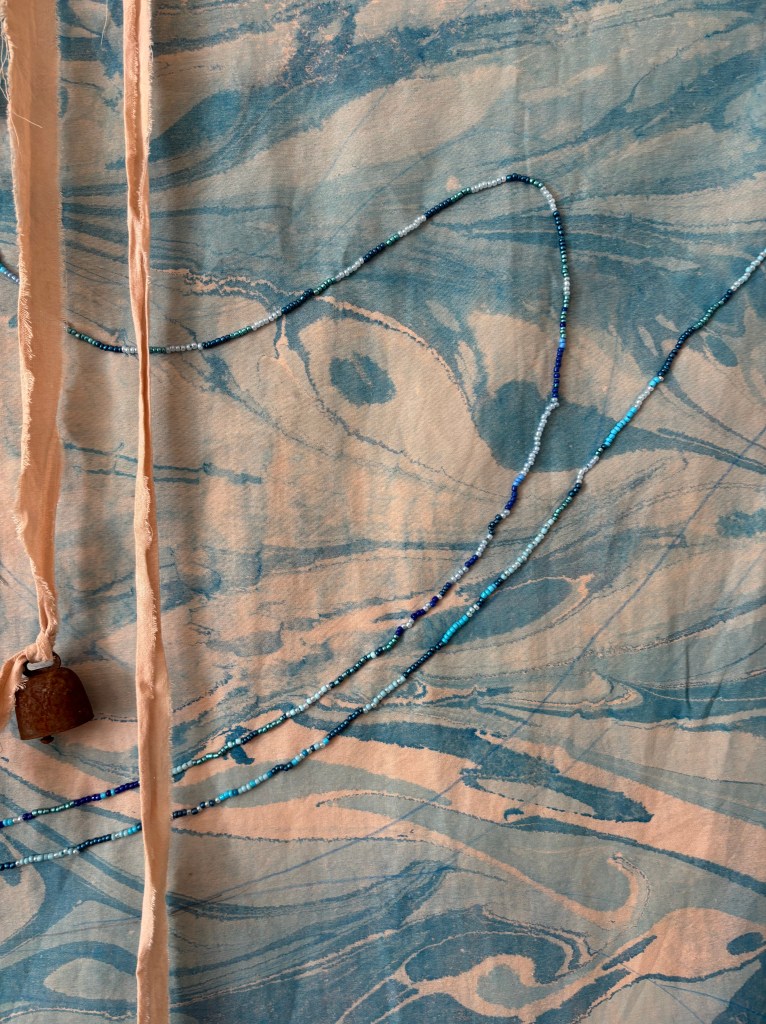
“The Places We Carry” is a site-specific, participatory installation of embellished fabric panels, strings of evil eye beads, cultural artifacts gathered from community, and sound. It explores the places we hold within us when we leave the places we were born — how their flavours, colours and traditions find new spaces of belonging through migration. Throughout Nuit Blanche, visitors will be invited to engage with the installation by tying torn fabric strips within it, while reflecting on a guiding prompt. This prompt asks participants to consider the grief we carry as people living in diaspora on Indigenous land and as witnesses to the world’s current state. It also invites us to envision hopeful futures — ones where all living beings can flourish. This invitation draws upon “kriah,” a Jewish ritual of tearing cloth to express grief, as well as traditions from Anatolia and Uzbekistan, where strips of fabric are tied to carry wishes on wind. What do you wish for?
Read Further on the Nuit Blanche Website
2024
We Who have Known Many Shores:
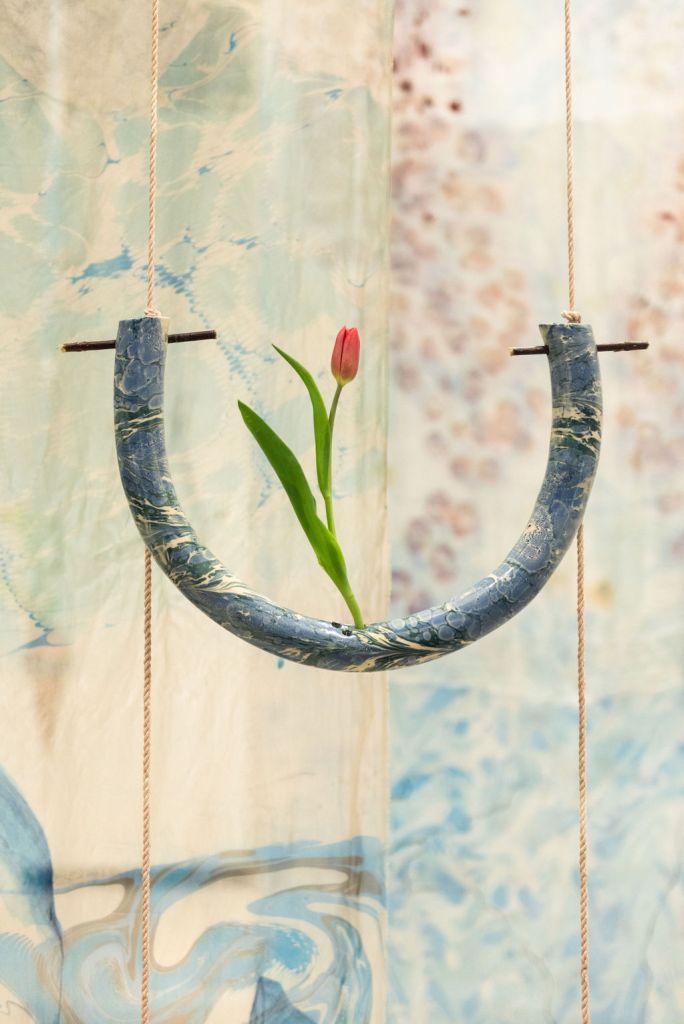
We Who Have Known Many Shores brings together material practices rooted in Anatolian textiles, ceramics, and marbling, with contemporary mediums, to forge new directions for considering diasporic relationships to place and belonging. Conjuring earth, air, water, fire, and spirit, transdisciplinary artist Alize Zorlutuna collages mediums, methods, and geographies at the Art Gallery of Burlington (AGB) for their first solo exhibition in a public art gallery.
The Exhibition is on View at The Art Gallery of Burlington May 9, 2024-September 1, 2024
Visit Link for details:
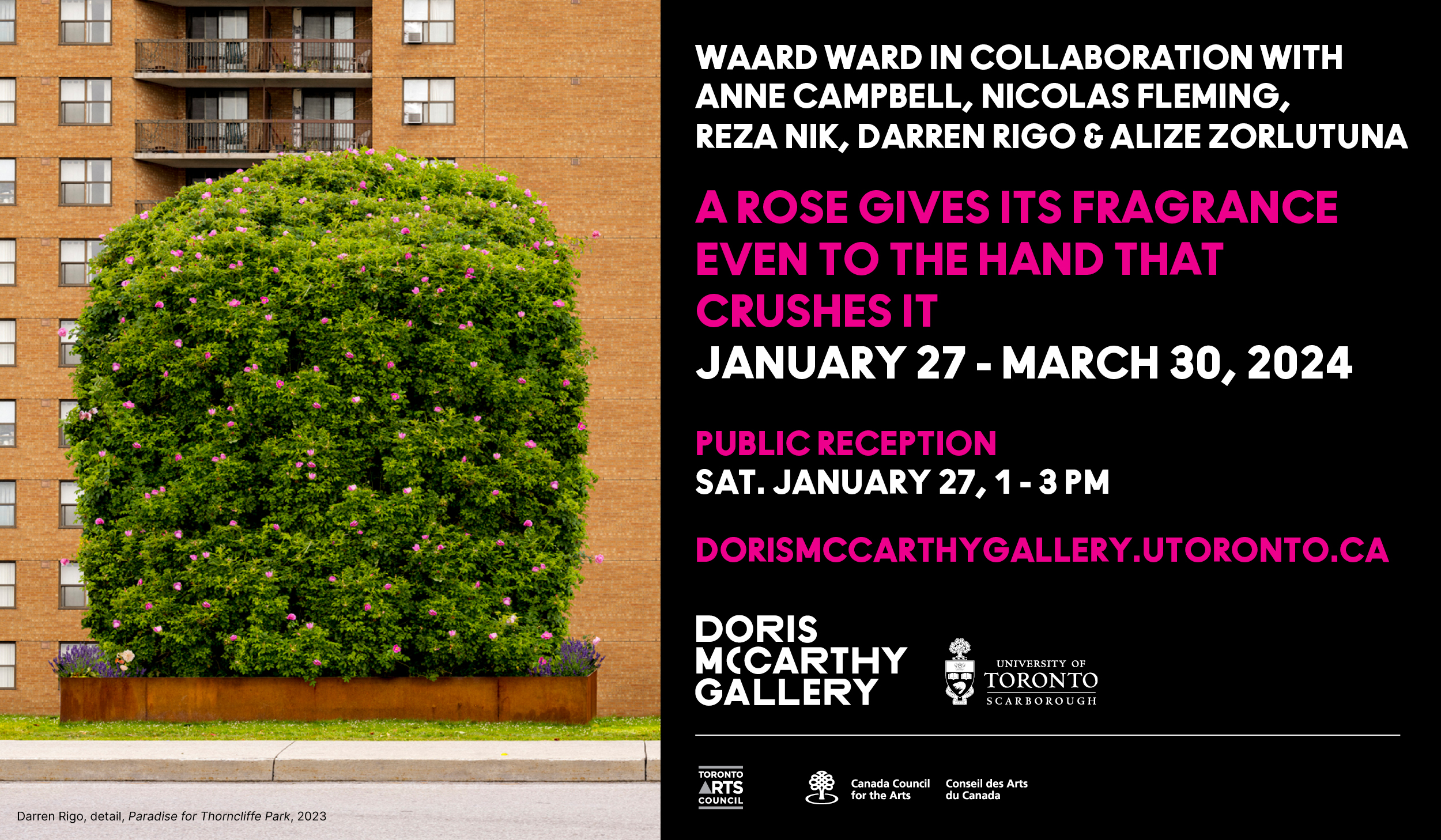
A rose gives its fragrance even to the hand that crushes it honours the memory of lost land, while exploring the ways that community can support the pursuit of familiarity and homemaking. This immersive exhibition is initiated by the Waard Ward collective, comprised of artist Petrina Ng, cultural worker Patricia Ritacca, educator Laura Ritacca, and three family members from Toronto’s Syrian newcomer community: Hanen Nanaa, Shoruk Alsakni, and Abd Al-Mounim. Waard Ward works as a social practice collective, proposing experimental solutions to employment barriers for newcomers through community-collaborative art projects inspired by floristry and gardening from a decolonial lens.
In the spirit of community, the exhibition also brings together artistic collaborators who have long-standing relationships and shared research interests with the collective: Anne Campbell, Nicolas Fleming, Reza Nik, Darren Rigo, and Alize Zorlutuna. Through photography, ceramics, florals, and a site-specific garden installation, the artists’ works evoke the memory of the Nanaa family’s garden, courtyard, and home, lost in the Syrian war. A rose gives its fragrance even to the hand that crushes it offers layered complexities for visitors to consider the colonial history of flowers, the legacy of war on land, the imagined landscape, the displacement of people, and the longing for home.
2023

Being a Guest in a place that was always meant for you
Alize Zorlutuna
Curated By: Jaclyn Quaresma
Monday, April 24, 2023 5:00PM
Innis Town Hall2 Sussex Ave, Toronto
Alize Zorlutuna’s live, digital storytelling performance unfolds before the audience while the artist contends with the entanglements of land, place, longing, family, and forgiveness through wisdom and the technologies of love.
https://imagesfestival.com/events/being-a-guest-in-a-place-that-was-always-meant-for-you
Something Like Arriving:
February 25 – April 22, 2023.
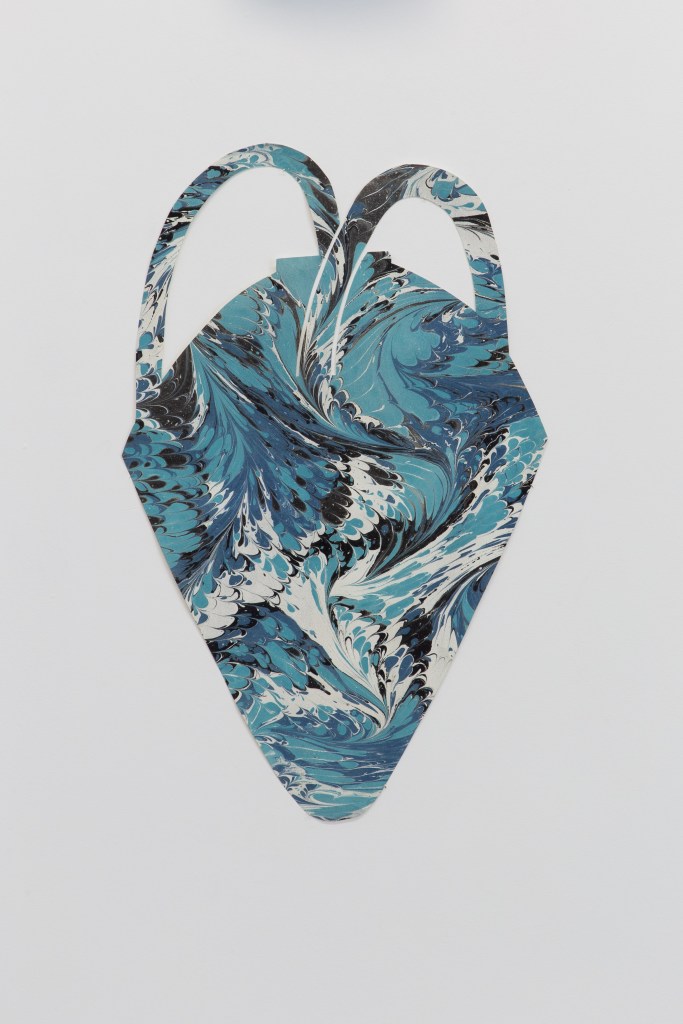
The Next Contemporary is pleased to present Something Like Arriving, the Gallery’s inaugural exhibition, featuring works by Alize Zorlutuna, Diyar Mayil and Sukaina Kubba.
The exhibition looks at comfort beyond a physical state, as a complete sensory experience felt through the lens of diverse artistic interpretations. Each artist unmakes and remakes the idea of home, translating space and re-imagining domestic objects as languages of both belonging and estrangement. The three artists investigate the relationship of comfort and place to aesthetics, and the tension that occurs when objects are physically familiar, but visually or psychologically uncomfortable. Working across varied disciplines, the artists trace distance through laborious and devotional material processes.
www.thenextcontemporary.com
An Accumulation of Signs
Alize Zorlutuna
Curated by Jaclyn Quaresma
August 16 – December 17
Ace Hotel Toronto
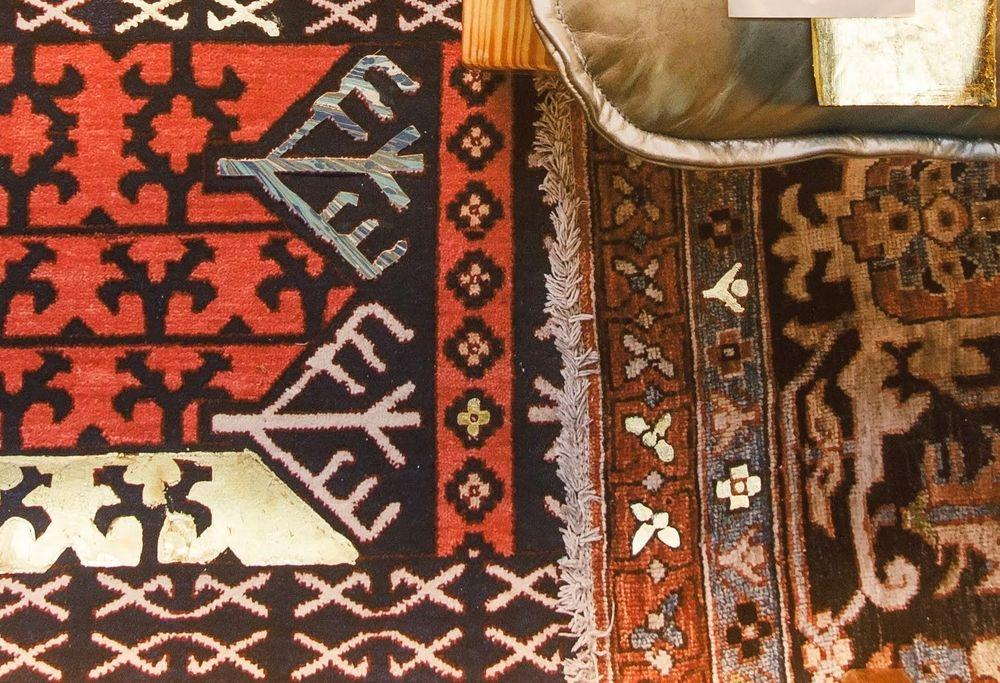
Through a process of combining, Alize abstracts the structures that construct a space for hosting. At the Ace Hotel, the rich colours, stylish materials (wood, leather, concrete), perfect wear of the furniture, and natural light of the lobby create a comfortable and inviting setting to host guests and visitors to Tkarón:to. In response to their residency in this environment, Alize has created a pair of larger collages and a suite of three smaller works focusing on the hotel’s textiles. The rugs appear to be from or inspired by those made in the SWANA region and carry long-told stories of their own, resisting absorption into Atelier Ace’s–the hotel’s design and marketing team’s– aesthetic.
Read more by Jaclyn Quaresma @
https://imagesfestival.com/events/an-accumulation-of-signs
2022
Exhibition:
Fugitive Rituals: July 30 – December 4
Curated by Myung-Sun Kim
Presented at Agnes Etherington Art Centre
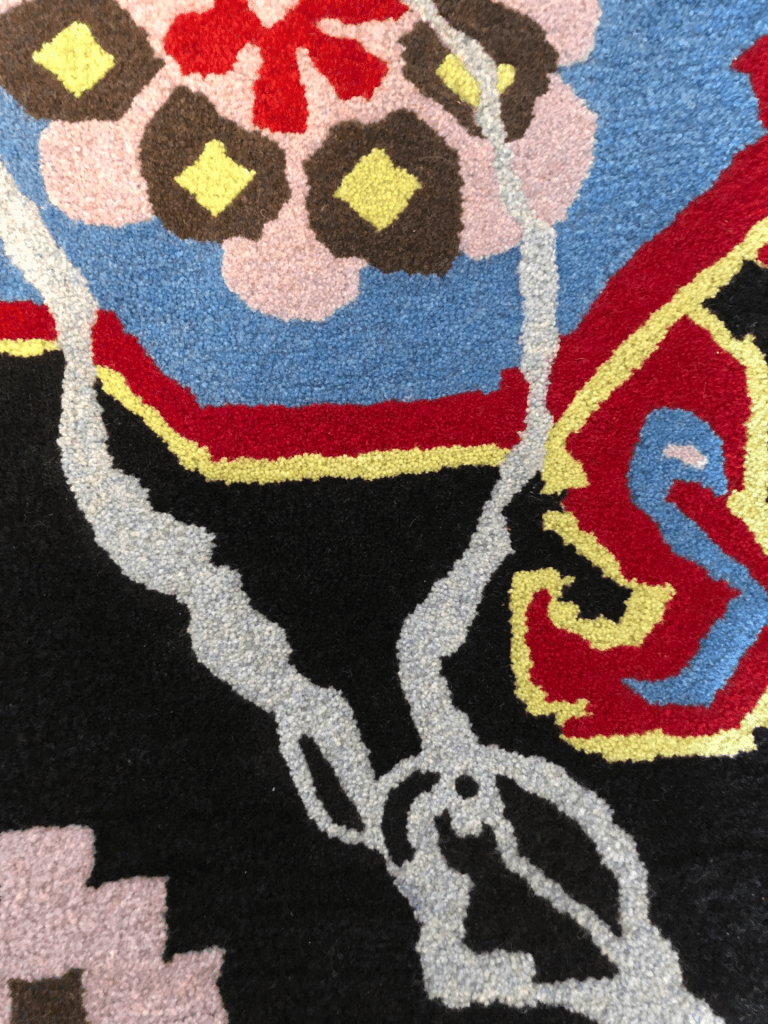
The artists Nicolas Fleming, Cindy Mochizuki, Lisa Myers, Laura Pitkanen, Camille Turner and Alize Zorlutuna in Fugitive Rituals examine belief systems embedded within institutional architecture and ask how we make changes with care to the systems that we have lived with for a very long time. The exhibition, as a discursive platform for a series of activations, offers intentional rituals to give palliative care to old systems that no longer work; to grieve and mourn what is lost; and to project into a speculative but collective future grounded in care and ecological considerations. Approaching the exhibition as an iterative ritual itself, where repeated acts of building, installing, disseminating, viewing and deinstalling transform the site, we might see the possibilities for escape from old colonial systems and seek sustenance through practicing each artist’s intentional ritual. The work in this exhibition engages with waste produced from previous exhibitions as well as selected objects from Agnes’s significant collection of cultural belongings as ways to consider ecological and relational concerns in art and exhibition-making.
Image: Alize Zorlutuna, Su Yollunu Bulur: water finds their way, 2022, carpet, multimedia installation. Image courtesy of the artist
Supported by the Canada Council for the Arts; the Ontario Arts Council, an agency of the Government of Ontario; David Bain Memorial Fund, Robert Sutherland Visitorship and the Inclusive Community Fund, Queen’s University.
a soft landing:
Alyssa Alikpala, Erika De Freitas, Rihab Essayh, Eve Tagny and Alize Zorlutuna
Curated by Jaclyn Quaresma
June 29 – August 6, 2022
Closing reception: Thursday, July 28th, 6-8pm, curator walk-through at 6:30pm
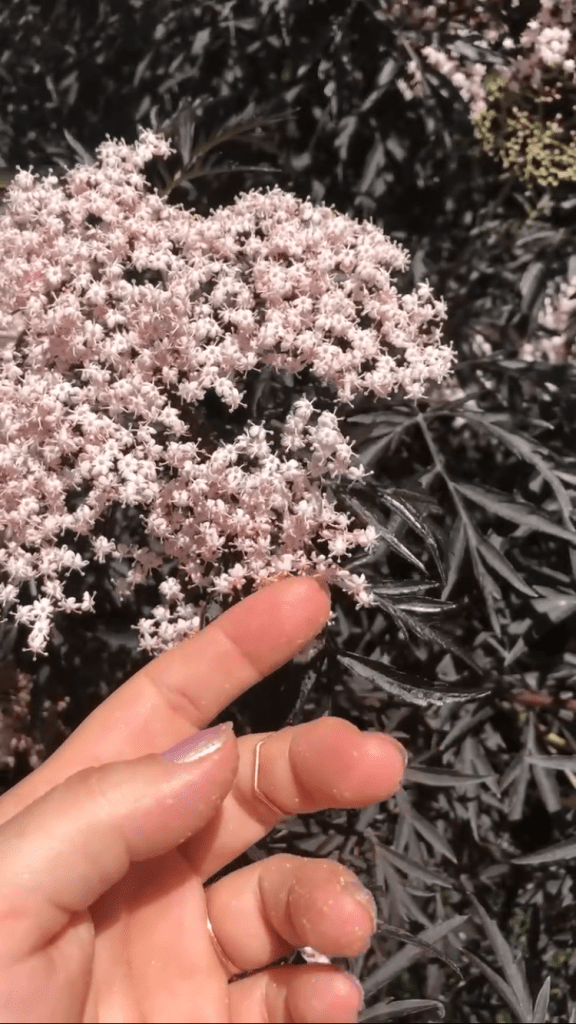
This exhibition considers the reparative and restorative potential of slowness through ideas of tenderness and transgression. Though soft in aesthetic and theme, showcases artworks by critically lauded, so-called Canadian artists who consider the effects of global events–such as the pandemic–on mental health and personhood. The exhibition will house multi-disciplinary work ranging from installation and sculpture to, video. With compassion at its core, a soft landing celebrates the slow process of coming together while adjusting one’s comfort levels to the current phase of the pandemic.
Presented at Gallery TPW in partnership with Images Festival and Scotiabank Contact Photography Festival

Article: La-makan
A response to BlackFlash’s Fall/Winter issue “Infinities.”
By Nur Sobers-Khan March 24, 2022
Alize Zorlutuna’s Facing East (2019) evokes the question that echoes through much diasporic art—the interrogation of origins, place, and belonging. Or rather, origins in a now-imagined landscape, absence, and resistance to belonging. Facing East is simple but deeply evocative artwork: a prayer carpet from which the central mihrab design, upon which a Muslim would normally stand and pray, has been cut out; the carpet is draped over a monumental rock formation, which can be seen through the absent form of the mihrab. A many-layered work, Facing East brings to mind the hadith that the entire earth is a place of prayer. While the prayer carpet is the artifice of humans, the earth is God’s creation, and thereby pure by its very nature. The near-eternality of the rock stands in contrast to the fabric of the prayer carpet, ephemeral and destined to fray and unravel, hinting at the fragility of human prayers and human endeavours, and also at the hubris of humankind—why do we weave elaborate prayer carpets as a locus of piety when the earth itself is the original place of prayer? Alize Zorlutuna’s work speaks to our transience as physical beings as well as humankind’s vulnerability, expressed through the inventive, yet fragile, aesthetics and materiality of our religious rituals.
2021
SESSION/relay: Alize Zorlutuna
How to write for an imagined place
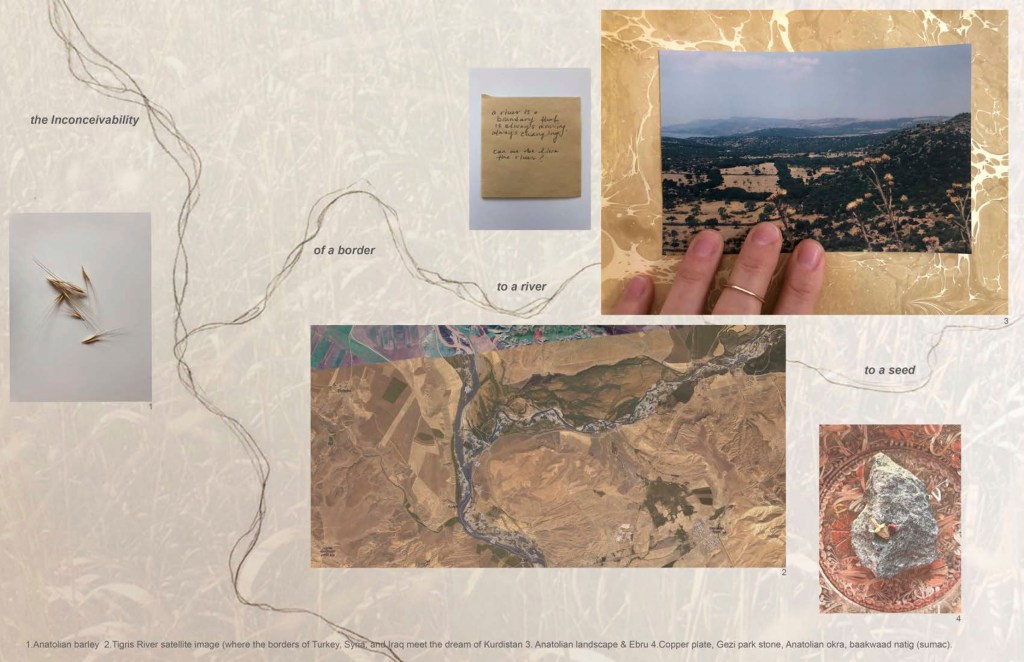
The word “place” can refer to a myriad of locales, both physical and psychic. Place is real earth beneath our feet as well as imagined: a relic of memory in the privacy of our thoughts; an historic construction; a fantasy of elsewhere; a felt sense; a longing. Place is a gathering of stories, mythologies, and hauntings. It can be a conjuring of responsibilities—a teacher. Place can have its own gravity, as in contested territories—Palestine, Kashmir, Kurdistan, and Turtle Island—that are at once historic, imagined, and lived present realities of enduring violence. Yet place can exist beneath words and above borders as speculative; as world-building.
How to write for an imagined place proposes a collaborative writing process, distributed across distances and the imaginations of its participants. Inviting responses to a collection of prompts sent through the mail, this multi-directional exchange offers a series of encounters and reflections. As we continue to physically distance, this project conjures some place we might gather, if not face to face, then through the meeting of ideas and impressions. [—Alize Zorlutuna]
Beginning the week of 14 February 2021, this program will be facilitated through the postal service between February – April 2021. Participants in Canada will be provided with requisite materials and postage to partake in the project. Participants outside of Canada should contact the gallery to discuss arrangements.
SESSION is a project modelling itself after an incubator that invites cultural practitioners to engage with questions that emerge out of a given exhibition. /relay is a durational and distributed reframing of the project that untethers the incubator from a singular moment or site of gathering.
SESSION is made possible with Leading Support from TD Bank Group.
With Mercer Union: A Centre for Contemporary Art
how to be soft
Launching Fall 2019
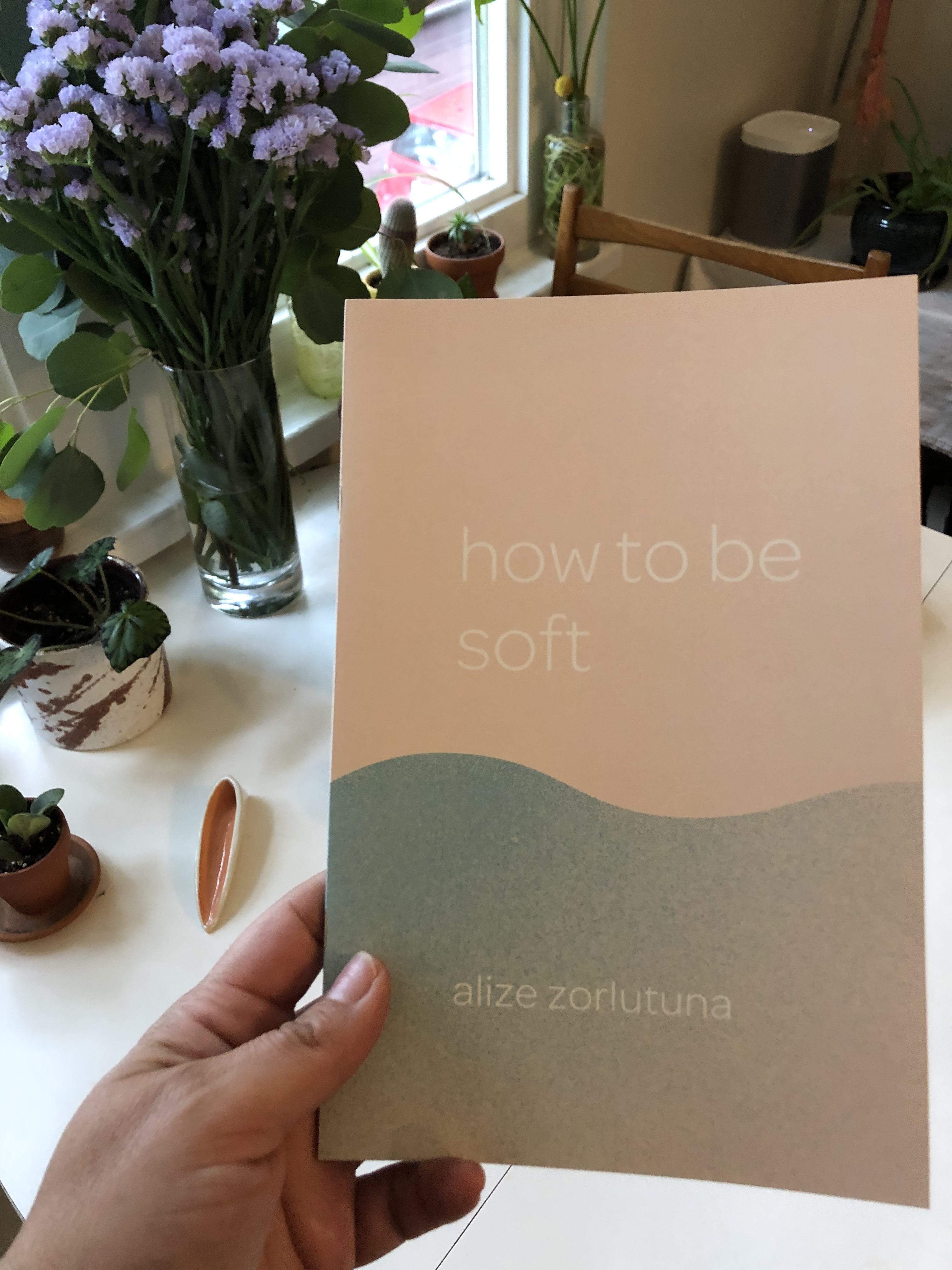
A collection of poems and images that look at ways in which power unfolds through intimacies that live in the body. Enlisting gestures of concealment, Alize Zorlutuna pairs poetry with images, some depicting ongoing performance projects, others depicting alternative ways of working through the materiality of experience. The text and images move between withholding and inviting, reconfiguring agency in the process of telling.
you can purchase copies @ househousepress.com
___
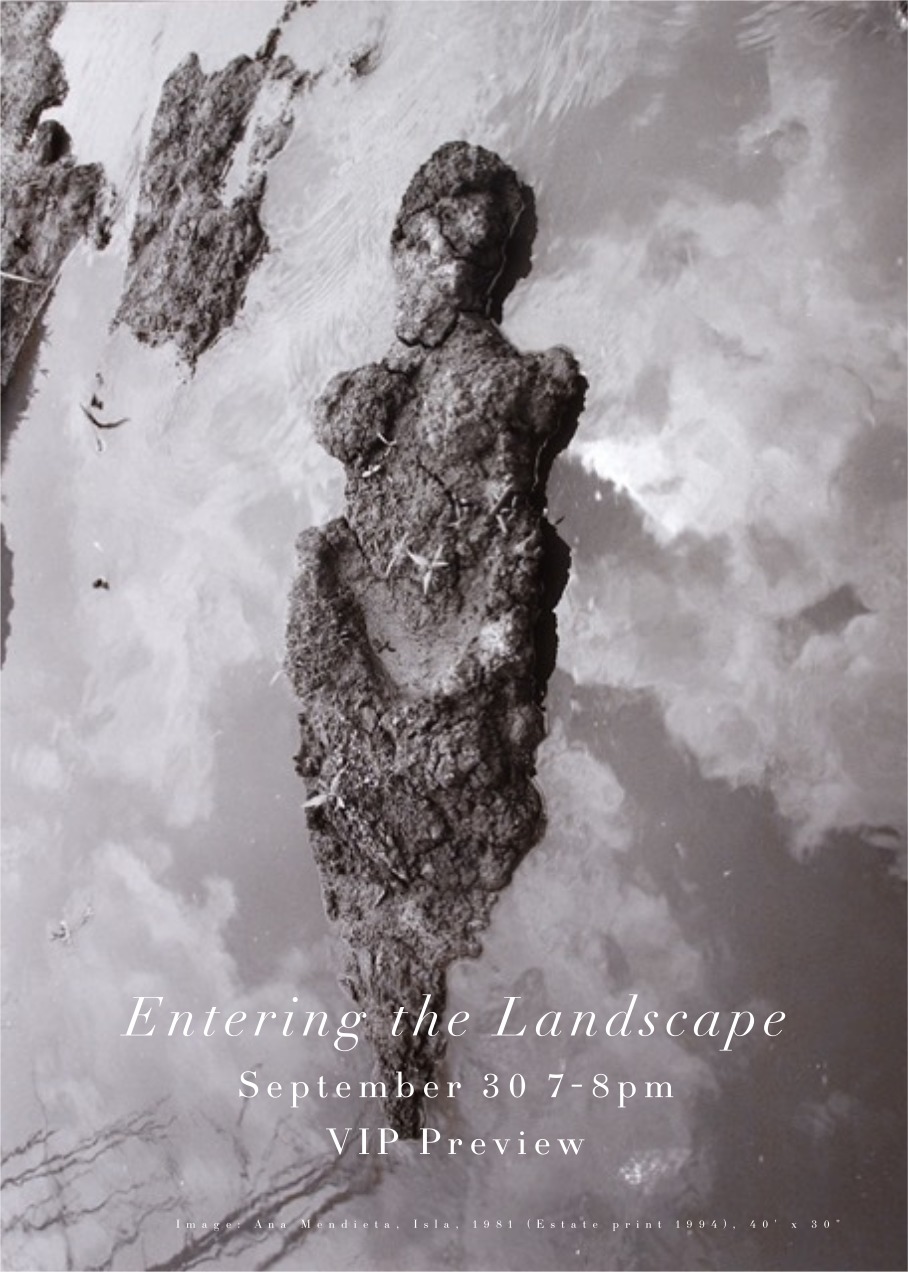
Entering the Landscape
Curated by Jenifer Papararo and Sarah Nesbitt
September 30, 2017 to December 31, 2017
Opening Reception: Saturday September 30 | 8pm
to 1am
Pia Arke (1958-2007 Greenland and Denmark) • Laakkuluk Williamson Bathory (Iqaluit) • Jaime Black (Winnipeg) • Lori Blondeau (Saskatoon) • A.K. Burns (New York) • The Ephemerals (Winnipeg) • Melissa General (Toronto) • Rebecca Horn (Berlin) • Katherine Hubbard (New York, USA) • Maria Hupfield (New York) • Simone Jones (Toronto) • Tau Lewis (Toronto) • Amy Malbeuf (Rich Lake Alberta) • Meryl McMaster (Ottawa) • Ana Mendieta (Cuba) • Natalie Purschwitz (Vancouver) • Dominique Rey (Winnipeg), • Jamie Ross (Montreal) • Xaviera Simmons (New York) • Ming Wong (Berlin) • Alize Zorlutuna (Toronto).
Plug In Institute of Contemporary Art is excited to announce the opening of our fall exhibition, Entering the Landscape, a contemplative group exhibition featuring twenty-one artists from Canada, the USA, Denmark, and Berlin. Working in film and video, photography, sculpture, and performance these artists represent a breadth of politicized contemporary and iconic historical works that place the female or queer body in the landscape. Bringing together artworks that conceptually and aesthetically overlap, this exhibition identifies and considers a persistent motif in contemporary art.
____
Mother Tongue
May 13 – September 4, 2017
Opening reception: Saturday, May 13 | 6 – 8 PM | Free
Chun Hua Catherine Dong, Raafia Jessa, Jihee Min, Yvonne Singer, Shellie Zhang, Alize Zorlutuna
Language is a universal and abstract system of sounds and symbols. Yet, the social, political and cultural contexts in which a language is spoken greatly affects its development and usages. In ever increasingly globalized societies, our sociolinguistic identity is not often singular. The language we speak at home, or learned as a child – our mother tongue – may not be the same one used in our everyday lives. Mother Tongue invites us to consider the complex relationships that exist between language and identity; how it defines who we are and how it can inform visual artistic practice.
____________
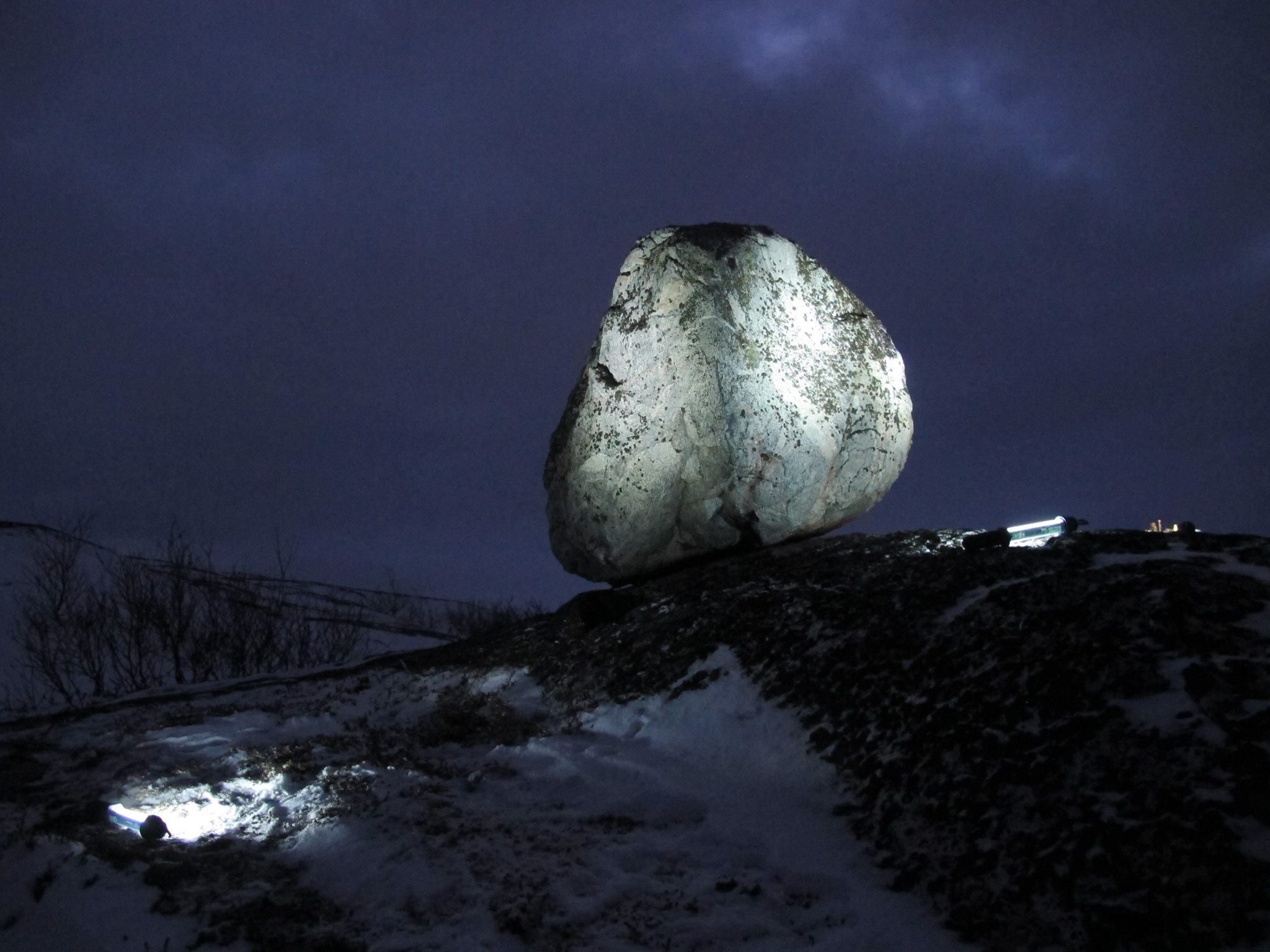
thirstDays Ooooszchhhhhht t shuffle klopp shshhhchglugluglushh
THURSDAY JANUARY 26 7.30pm
Curated by Elisa Ferrari + Stacey HoThis program began as a consideration of affinities outside of the human realm, between plants and animals, objects and machines. However, this initial concept soon took on the shape of our conversations and shared interests—subjects such as walking, wandering, and listening. Writing on Margrethe Pettersen’s work, Britt Kramvig challenges the division of entities into nature and culture, rooting our need for holistic environmental awareness in Sami ontology. She writes “our ears have become dull to the sounds of the land speaking through our feet, it is now incumbent upon us to remember.” This has resonance not only in practices of deep listening but also in performance art practices that are invested in healing the fraught relationship between the land and the body.
~ Elisa Ferrari + Stacey Ho
Mice Magazine: 02
Edited by Radiodress and Syrus Marcus Ware
We begin with our bodies. Our bodies in grief and motion provide the nuance, the questions that offer a re-storying. Informed by healing justice activism, Issue 02 explores how the intersection of technologies and artfulness can create tools for collective resilience and resistance.
labour for the horizon 2
Radiodress, Syrus Marcus Ware: we begin with our bodies:MICE Issue 02 Rebeka Tabobondung: A Story of Indigenous Birth Justice Barak adé Soleil: the “good” body/a query of queries Shanell Papp: Lab Alize Zorlutuna: Labour for the Horizon Leah Lakshmi Piepzna-Samarasinha: A Not-So-Brief Personal History of the Healing Justice Movement, 2010–2016 Tarah Hogue: #callresponse Sheena Hoszko: Of Birds, Ointments, and Care: How Peter Collins’ Artworks Kept Him in Prison Chris Kennedy, Samuel La France: Brûle la mer: A Welcome Returned
There Should be Gardens curated by Amber Christensen
September 2-26,
There Should Be Gardens brings together five Canadian emerging and early career new media artists whose work addresses the interconnectedness of technologies, ecologies, botanies, gender and the cosmos. The exhibition explores the materiality and affectivity of matter, blurring the focus of feminism and queer feminism between the human and non-human. Featuring Alana Bartol (Calgary), Adrienne Crossman (Toronto), Anna Eyler (Ottawa/Montreal), Kara Stone(Montreal), and Alize Zorlutuna (Toronto)
 Work it
SAVAC’s annual juried members’ exhibition showcases the range of contemporary art practices across SAVAC’s membership.
June 4 – 29
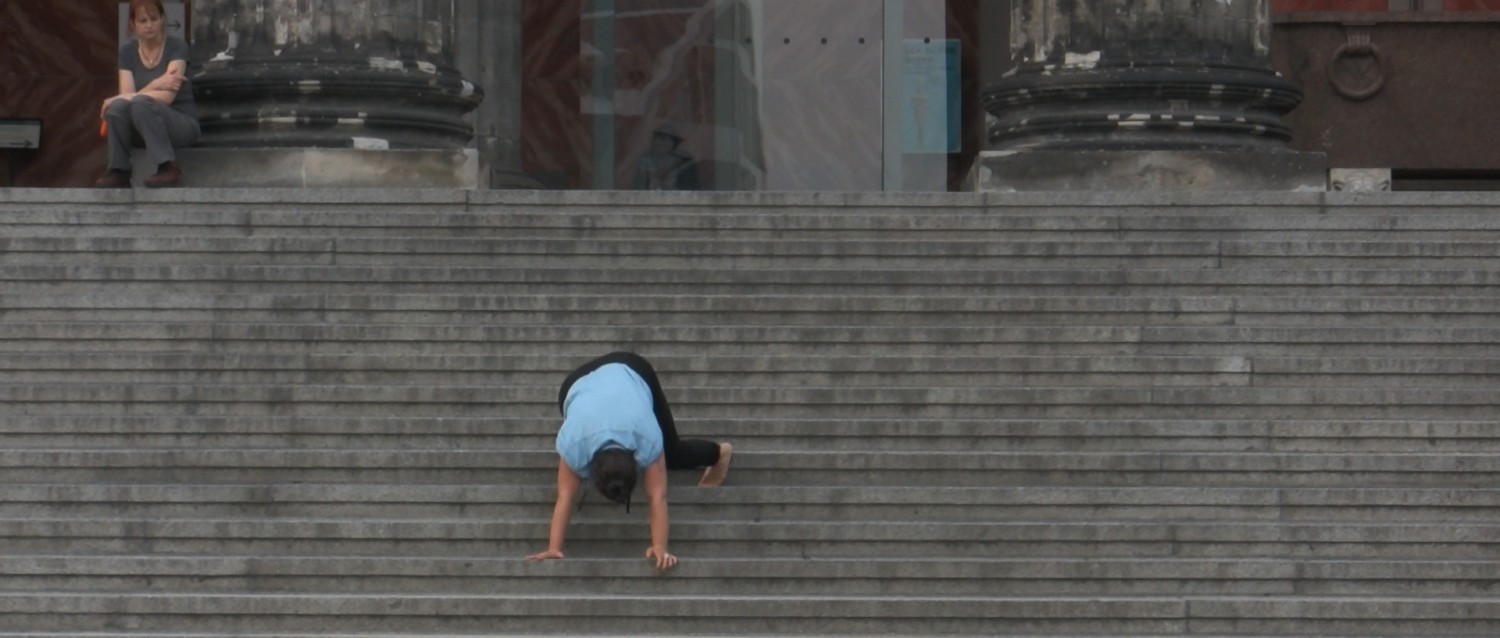
Crawling backwards up the steps of the Art Gallery of Ontario (AGO) and the Royal Ontario Museum (ROM), Alize Zorlutuna’s durational performance Crawl is part of a series of performances that take place at galleries and museums across the world. Choosing sites where historic artifacts from the non-Western world are housed, specifically the Islamic world, Zorlutuna performs this arduous feat as a comment on the effects of cultural collection, and the complication she encounters as an artist to be included in the very world she critiques.
 Alize Zorlutuna